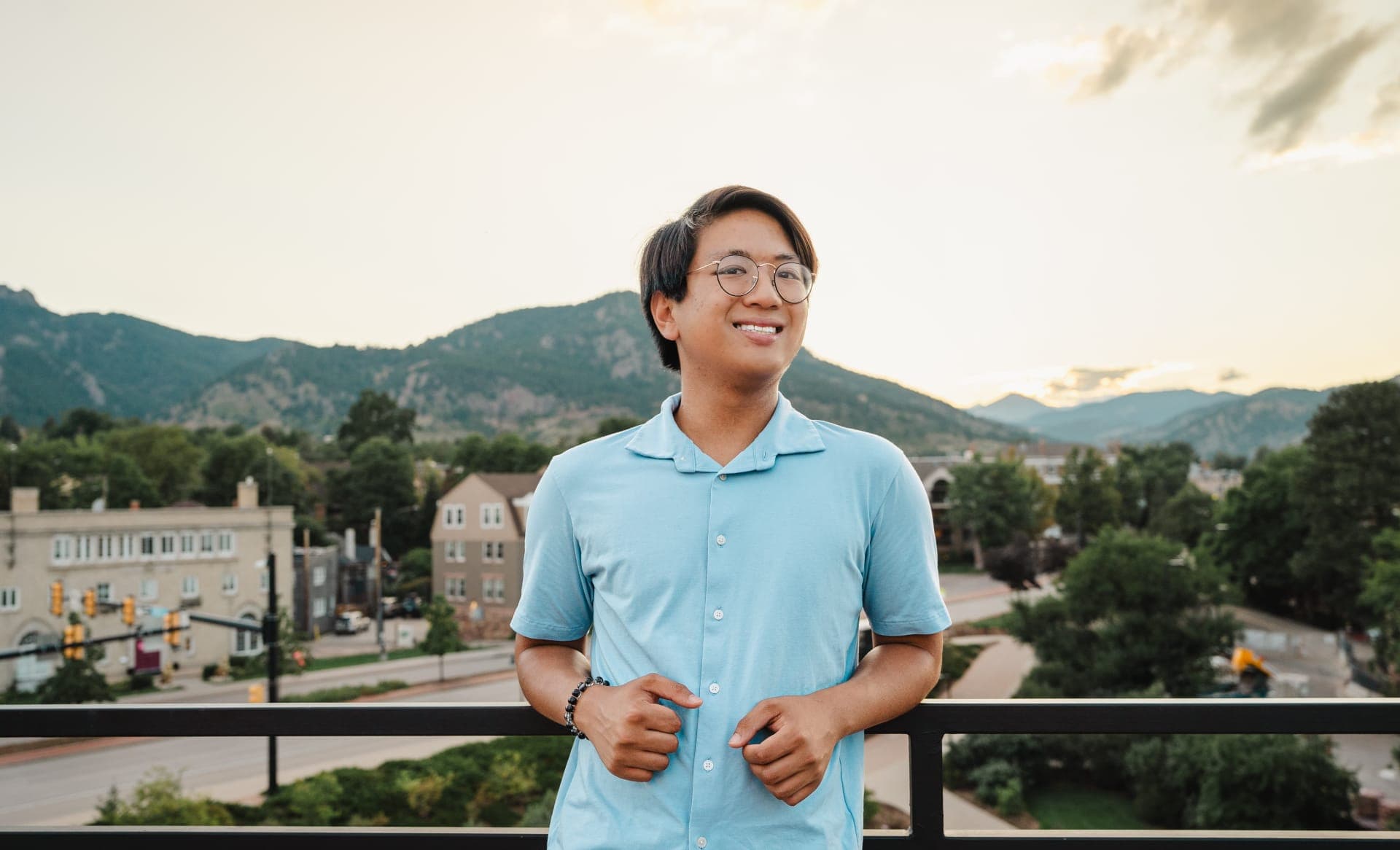
On a Spring Saturday in Denver, the vaccine tent stood a dozen paces from a miniature train. Children lined up for the ride, their parents drifting between a blood-pressure station and a table stacked with bilingual handouts. In a pen nearby, a baby goat nuzzled small hands; music spilled from a portable speaker; a volunteer waved someone over for a screening.
It was, as community health events go, improbably jubilant, and that, says Carlos Carale, was the point.
“At my first health fair, there was a train and a petting zoo,” he recalled later. “Families got screenings and vaccines, then their kids could ride the train or pet a baby goat. That’s when it clicked for me: health should be celebrated. Joy brings people in.”
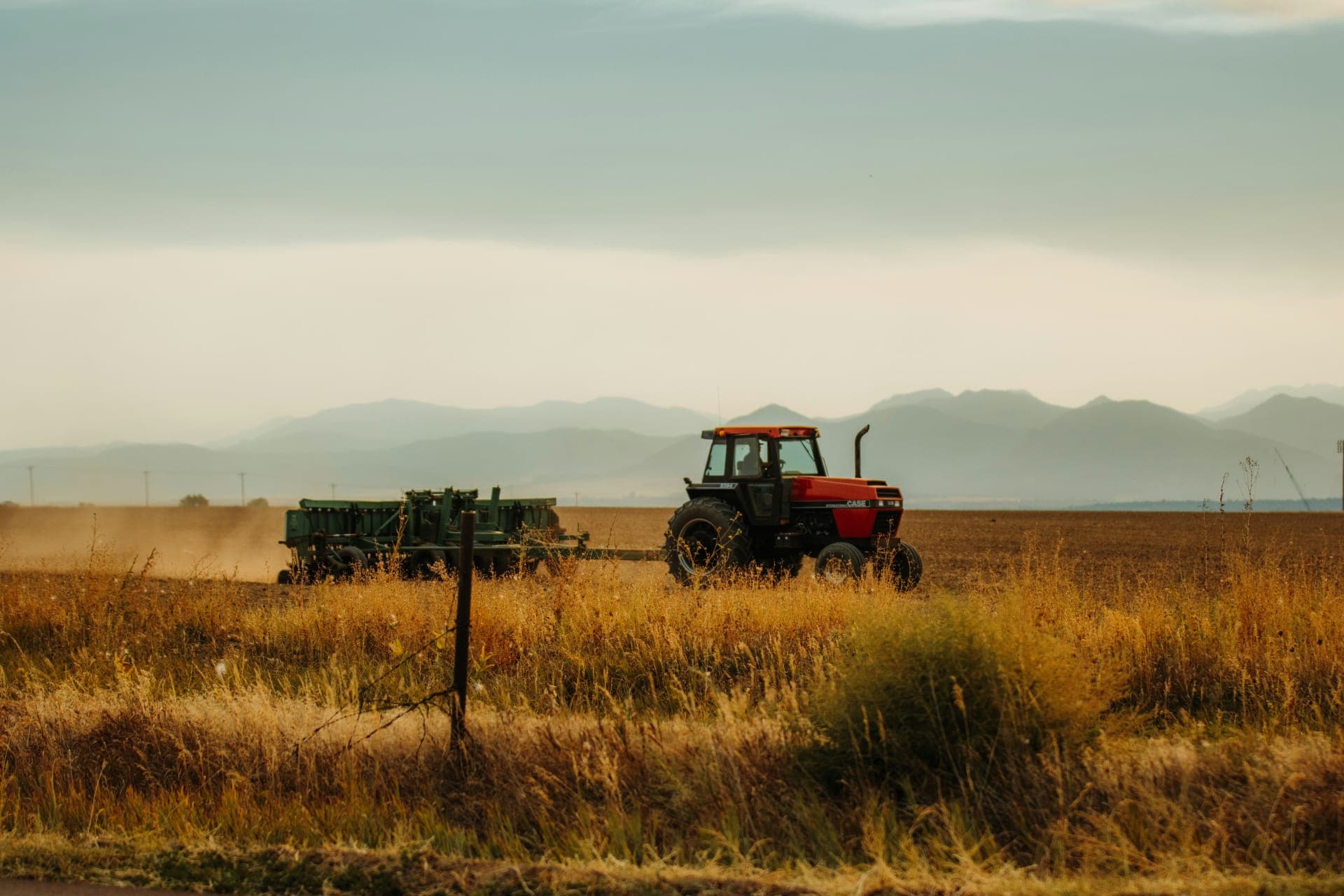
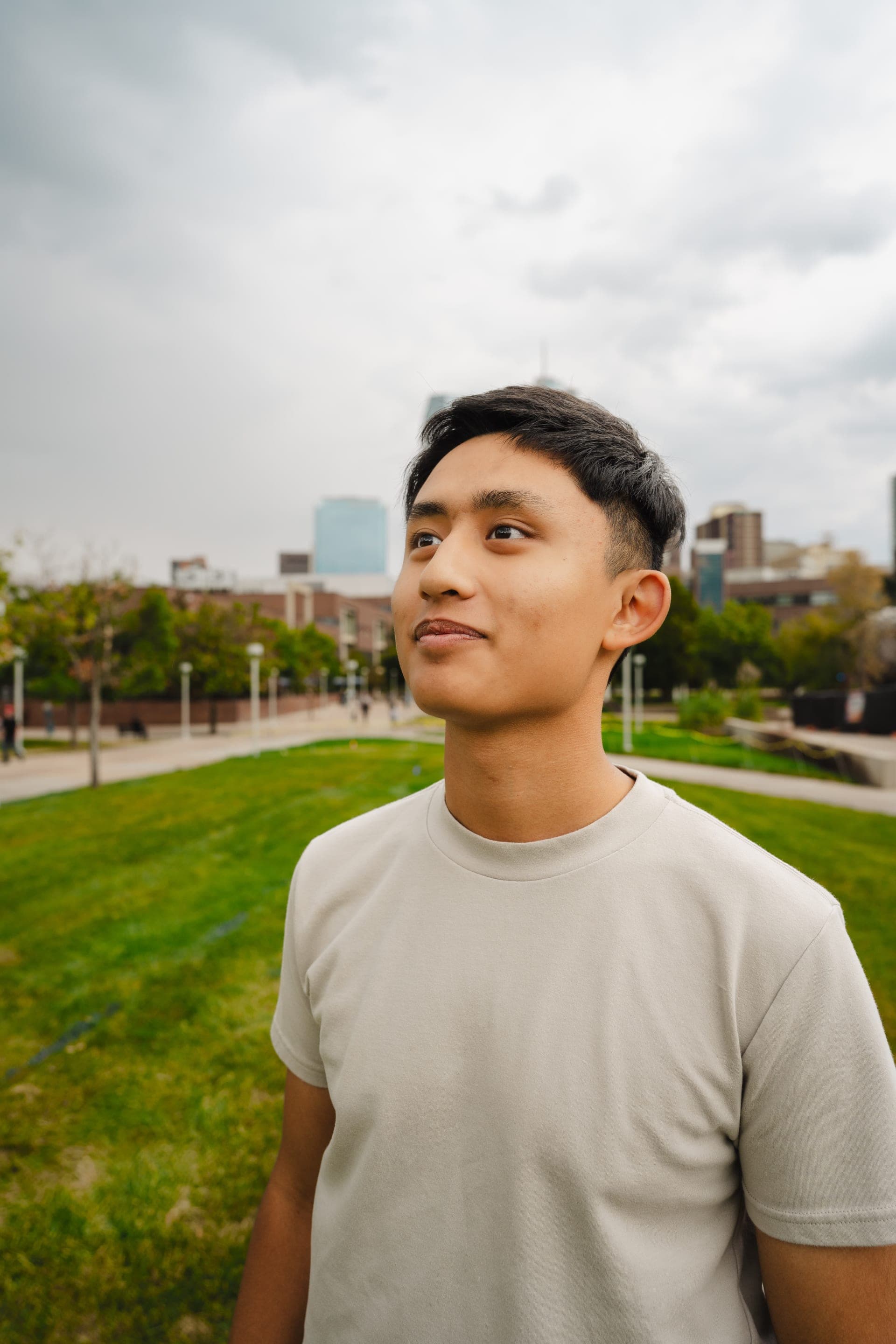
Carlos, 22, grew up in La Junta, a small city in the Arkansas Valley, where specialty care can be an hour or several, down the highway. His parents immigrated from the Philippines to practice medicine, and he learned early that access to care is often a matter of distance, time off work, and bills. He remembers volunteering at food drives led by a local pastor, carrying boxes to car trunks and glimpsing the quiet arithmetic of scarcity: which expense could wait, which meal might not.
Those scenes formed the backdrop to a question he brought with him to college: how, exactly, do you make a system fairer from the ground up?
One answer arrived through TheCHANGEproject, a youth-led health equity nonprofit that pairs training with on-the-ground projects. As part of the organization’s Health Equity Fellowship, Mr. Carale set out to “characterize the moods and attitudes” around healthcare in his home region. He built a survey, scheduled interviews through local Facebook groups, and discovered what most organizers learn the hard way: planning is easy; execution is slow.
“People said yes and then life got in the way,” he said. “Interviews fell through. Editing took longer than I expected. I had to teach myself to keep moving forward even when it felt like nothing was moving.”
If the fellowship gave him tools, data gathering, messaging, the discipline of follow-up emails, it also offered something less tangible: a room full of people whose paths into health equity did not look the same. “Everyone had different motivations and stories,” he said. “Learning those gave me real hope because we were working toward the same future from different directions.”
That mix, practical work and shared purpose, is central to TheCHANGEproject’s approach. The group’s theory is unapologetically local: invest in emerging leaders; center lived experience; design events with communities, not merely for them. Its health fairs, like the one Mr. Carale helped plan with the organizer Julissa Soto, are deliberately high-energy. The frivolity is strategic. A party lowers the psychological barrier to approaching a clinician. A train ride buys a parent 10 minutes to ask a nurse a private question. A goat becomes, improbably, a public-health intervention.
“People don’t want a sterile, distant experience,” Carale said. “They want to feel welcomed. When they do, they ask more questions, they take home resources, they come back.”
The work is not romantic. Mr. Carale’s research project adapted to realities: interviews were condensed from many to a handful, the focus was narrowed, and deliverables were trimmed to what could be finished well. He learned that persistence can be mundane, another email sent, another call returned, and that relationships grow from small acts of reliability. A single follow-up with Ms. Soto transitioned into mentorship and, eventually, a seat on her health fair committee.
Pressed on what a fairer system would look like, Mr. Carale starts with basics that are anything but simple: full pantries, routine checkups, social workers who can navigate forms and benefits, safe housing that stabilizes everything else. He wants specialists closer to rural towns so a diagnosis does not require a three-hour drive and a day’s wages lost. “Those stressors affect health,” he said, “as much as anything we measure in a clinic.”
He credits his mother, an immigrant physician who often found herself in a town where she did not always feel fully accepted, with teaching him a simple ethic: be fair even when fairness is not returned. From that flows another principle he repeats often: decisions should be made with the people most affected in the room. “If we have to drag a chair to the table,” he said, “we will.”
There is urgency in his voice when the conversation turns to timing. Disparities are not hypothetical in communities like the one where he grew up. They are there now. Acting now, he argues, does two things at once: it fixes what can be fixed, and it builds the leaders who will face the next set of problems.
TheCHANGEproject is betting on exactly that compounding effect. The fellowship seats young leaders alongside practitioners and advocates, pairs them with mentorship and leadership though, and asks each to ship a tangible project, a small piece of infrastructure or insight that did not exist before. Outside the classroom, the organization’s teams co-design projects that place those closest to the issues to lead the solution, such as the CHANGE chapter at the University of Colorado Denver, which has created and led health fairs for unhoused individuals in Denver, piloted barbershop blood-pressure programs, and run legislative efforts that place lived-experience voices in places where decisions are made.
None of this looks like a sweeping reform bill. It looks like a Saturday in a park where a nurse takes a reading while a child laughs at a goat. It looks like a student’s project that starts with ten interviews and ends with five, good ones, analyzed carefully. It looks like a room where people from different zip codes and languages recognize one another’s strengths and decide what to try next.
Carlos is clear-eyed about the scale of what remains. He is also sure that the work is worth doing in the ways that are available, that joy is not a decoration but an invitation, that follow-through is its own kind of power, and that communities already hold many of the answers they need.
“Health should be celebrated,” he said. “When people feel that, they show up, and when they show up, everything else gets easier.”
What TheCHANGEproject Is Doing — and How to Plug In
Health Equity Fellowship: Hands-on training, mentorship, and a project addressing a local challenge.
National CHANGE chapters: Provides training and funding for students to work with communities to co-design health solutions with local communities.
Storytelling & Media: Features, videos, and podcasts that center lived experience and shift the narrative around who builds health.
Partner with us to co-host an event, apply to the fellowship, or support a local activation. Its health equity in practice, one joyful Saturday at a time.
Carry the story forward
Take part in the community
Find a public event and see what participation involves.
Explore upcoming events
William Navarrete Moreno
Founder and Co-Director
William Navarrete Moreno is the founder and executive director of TheCHANGEproject, a youth-led nonprofit advancing health equity through community organizing, policy innovation, and storytelling. Born and raised in Denver to immigrant parents from Guerrero, Mexico, William’s commitment to health equity is rooted in lived experience and driven by the belief that healthcare is a human right. A 2024 Obama–Chesky Voyager Scholar, he studies Public Health at the University of Colorado Denver and has conducted research at Harvard and Johns Hopkins focused on discrimination, policy, and health outcomes. Through TheCHANGEproject, he strives to build a future where communities most impacted by inequity lead the solutions themselves.
Editorial transparency
Reviewed by TheCHANGEproject editorial team. We center lived experience and verify published details against interviews, program records, and community partner input.
What did you think?
The Dispatch
Stories from the frontlines of health equity, monthly.